


In recent discussions among cybersecurity professionals, the use of artificial intelligence (AI) in cybersecurity has emerged as a top trend. This advancement marks a pivotal moment in the industry, harnessing AI's capabilities to both strengthen defensive measures and challenge existing paradigms.
AI-driven tools are now being utilized to detect and respond to threats at speeds and accuracies that humans alone cannot achieve. Machine learning algorithms, for instance, can analyze and learn from vast amounts of data, allowing for improved threat detection by identifying anomalies far better than traditional software ever could.
One compelling real-life business case is that of companies using AI to analyze behavioral patterns. By understanding ordinary behaviors, these AI solutions detect deviations that might indicate a security breach, offering early alerts and allowing IT teams to act swiftly.
However, with the rise of these AI tools, comes the sophistication of cyber threats as well. Just like the infamous Equifax breach which highlighted severe vulnerabilities, attackers are leveraging AI to develop more advanced techniques to exploit vulnerabilities.
There is increasing concern over the dual-use of AI: while it bolstered defenses, it also gave a potent weapon to cybercriminals. An illustration is the use of AI in developing deepfake technology which could easily deceive biometric security systems or impersonate key company personnel.
Adopting AI in cybersecurity presents an ongoing challenge, emphasizing the need for stringent regulatory frameworks. Industry leaders urge companies to formulate robust, ethical practices for AI usage that strike a balance between innovation and security concerns.
Furthermore, industry collaboration is vital for establishing standards and sharing intelligence about AI-related threats. Companies working with Big Four firms like Deloitte and EY have already begun forming alliances to share data and strategies to combat AI-driven threats.
Ultimately, as AI integration in cybersecurity continues to grow, companies must keep pace and adapt. By doing so, they can transform these potential vulnerabilities into opportunities for stronger digital fortresses, exemplifying resilience in the face of evolving cyber threats.
Estimated reading time: 1 minute, 46 seconds
The Rise of AI-Powered Cybersecurity: A Double-Edged Sword Featured
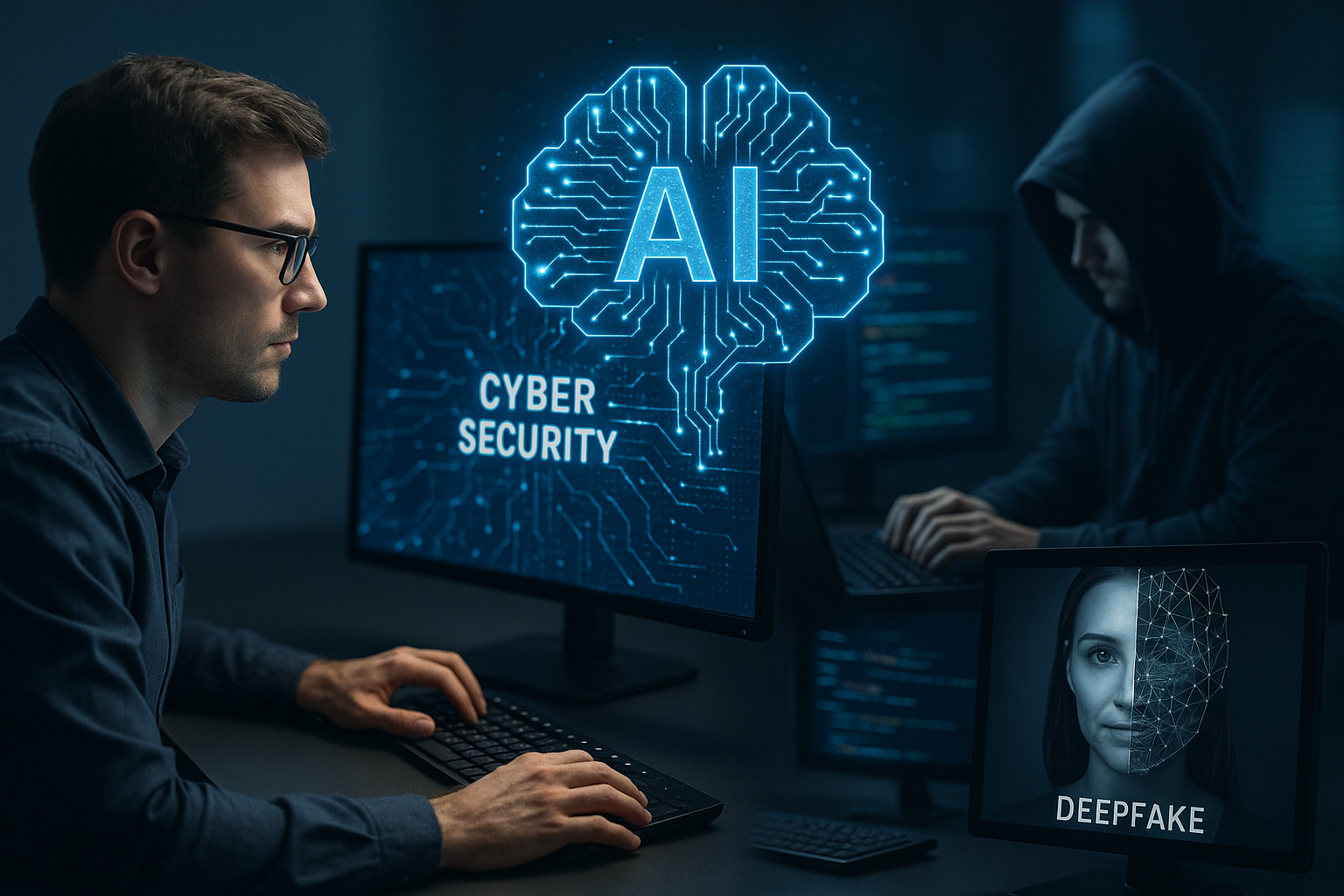 Explore how AI is shaping the future of cybersecurity, offering both groundbreaking solutions and new challenges. Learn about the dual-use nature of AI in enhancing and compromising security systems.
Latest from Security Tech Brief
- Cybersecurity Trends: Navigating the Evolving Landscape
- Emerging Cybersecurity Challenges in the Financial Sector
- Emerging Trends in Cybersecurity: Zero Trust Architecture
- Strengthening Cybersecurity Measures in the Wake of Increasing Data Breaches
- Addressing Cyber Threat Vulnerabilities in Supply Chains
Most Read
-

-
Jan 30 2020
-
Written by Security Tech Brief Staff
 A final tally of U.S. data breaches for last year…
-
-
-
Jan 25 2019
-
Written by Security Tech Brief Staff
 About 20,000 financial advisers who are clients of BlackRock had…
-
-
-
Jun 01 2019
-
Written by Security Tech Brief Staff
 Redtail Technology’s handling of an investor data leak possibly violated…
-
-
-
May 27 2019
-
Written by Security Tech Brief Staff
The Chinese government is conducting cybersecurity investigations of foreign companies…
-