


The shift to remote work has introduced a myriad of cybersecurity challenges that businesses are now grappling with. As the work-from-home paradigm becomes more prevalent, ensuring the security of company data and infrastructure outside of traditional office environments has become a top priority for IT departments. Businesses are actively searching for innovative strategies to counteract potential threats and breaches.
One of the most significant challenges is safeguarding data when employees access company servers from home networks, which may lack the robust security measures present in corporate settings. Unsecured Wi-Fi networks and outdated home routers present easy targets for cybercriminals. Firms like KPMG and Deloitte have illustrated these risks through various client engagements, revealing that a significant percentage of cyber incidents originate from home-based networks.
To mitigate such risks, companies are adopting Virtual Private Networks (VPNs) and multifactor authentication (MFA) as essential layers of protection. VPNs ensure secure and encrypted connections between employees and company servers, while MFA adds an extra layer of security, requiring users to verify their identities through multiple channels. These technologies have become standard best practices across many industries.
Phishing attacks remain one of the most prevalent threats in the remote work ecosystem. Cybercriminals frequently exploit the casual communication style of many employee emails, mimicking corporate addresses to trick recipients into unwittingly sharing sensitive information. Studies indicate that phishing attacks have surged by as much as 50% in recent months, targeting remote workers with increasing sophistication.
Employee training and awareness are crucial in combating phishing. Companies like EY have successfully implemented comprehensive training programs to educate staff about recognizing potential threats and adopting secure online behaviors. These training sessions often include simulated phishing tests to assess employees' readiness and reaction time.
An equally pertinent challenge is securing collaboration platforms used for virtual meetings and data sharing. Platforms such as Zoom and Microsoft Teams, while convenient, can present vulnerabilities. Businesses must regularly update these platforms and implement best practices, such as password protection and waiting rooms, to prevent unauthorized access.
As remote work continues to shape the modern business landscape, staying ahead of cybersecurity threats remains imperative. Organizations must invest in the latest security technologies, reinforce employee training, and remain vigilant to adapt to the evolving threat landscape.
Estimated reading time: 1 minute, 57 seconds
Emerging Cybersecurity Challenges for Remote Workforce Featured
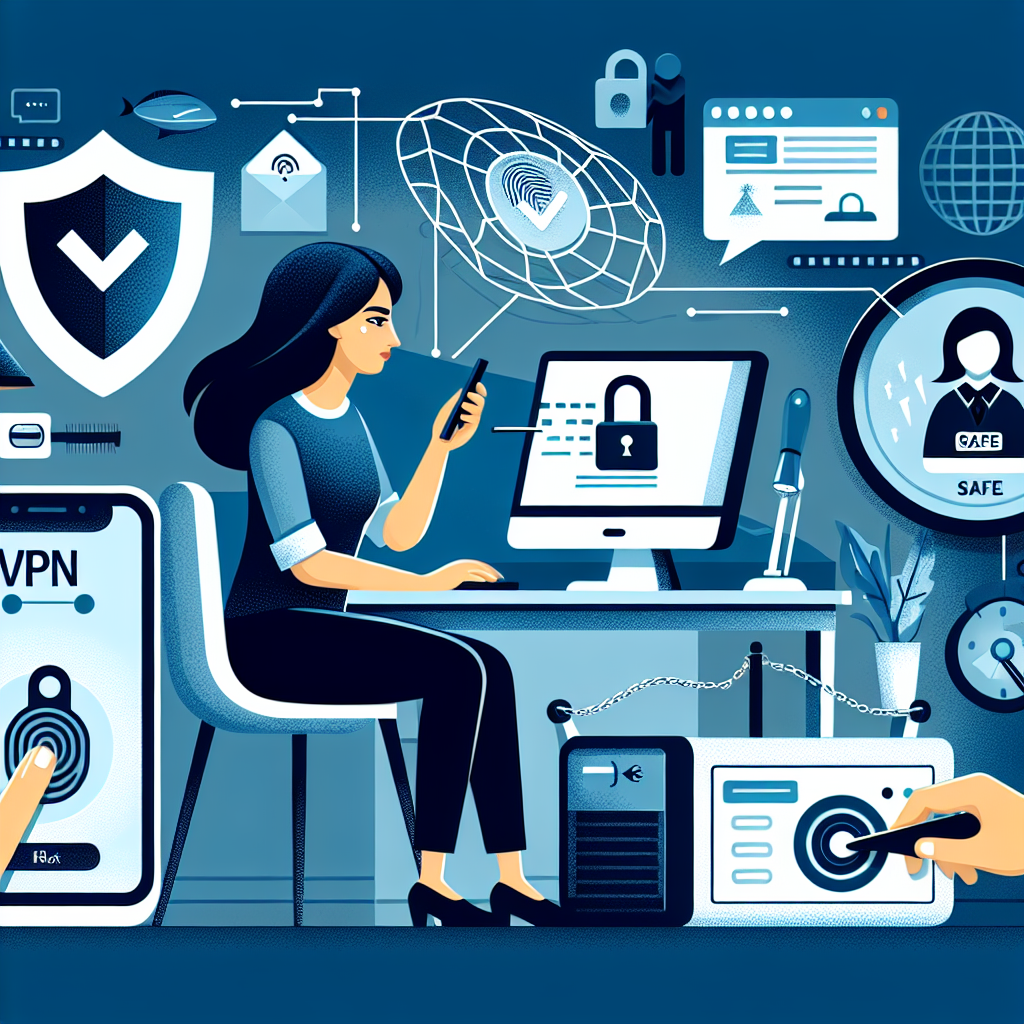 Emerging cybersecurity challenges and solutions for businesses with remote workforces. Discover how companies can protect their data and employees in a work-from-home world.
Latest from Security Tech Brief
- Cybersecurity Trends: Navigating the Evolving Landscape
- Emerging Cybersecurity Challenges in the Financial Sector
- Emerging Trends in Cybersecurity: Zero Trust Architecture
- Strengthening Cybersecurity Measures in the Wake of Increasing Data Breaches
- Addressing Cyber Threat Vulnerabilities in Supply Chains
Most Read
-

-
Jan 30 2020
-
Written by Security Tech Brief Staff
 A final tally of U.S. data breaches for last year…
-
-
-
Jan 25 2019
-
Written by Security Tech Brief Staff
 About 20,000 financial advisers who are clients of BlackRock had…
-
-
-
Jun 01 2019
-
Written by Security Tech Brief Staff
 Redtail Technology’s handling of an investor data leak possibly violated…
-
-
-
May 27 2019
-
Written by Security Tech Brief Staff
The Chinese government is conducting cybersecurity investigations of foreign companies…
-