


The term "Zero-Trust" has rapidly become commonplace in discussions about cybersecurity. In recent weeks, it has gained significant traction due to a rise in sophisticated cyber threats, highlighting the limitations of traditional security models.
The conventional approach, often referred to as "trust but verify," has shown vulnerability when perimeter-based defenses fail. Zero-Trust flips this paradigm by removing any blanket trust for devices and users within a network and instead enforcing strict verification measures.
One might wonder, why now? With the increasing digital transformation across industries and the shift toward remote work, organizational perimeters are becoming porous. This change has led to the recognition that cyber threats are not just external but can originate internally, necessitating a more robust framework like Zero-Trust.
In practice, implementing a Zero-Trust architecture involves segmenting the network, rigorous authentication, and continuous monitoring. When I worked at Deloitte, I witnessed a comprehensive implementation of this model for a major financial institution. They observed a significant decrease in unauthorized access attempts and a much higher success rate in quickly identifying and mitigating insider threats.
A continued surge in ransomware attacks has also necessitated this need for a proactive approach. For example, companies with a Zero-Trust framework generally have better data recovery times and reduced downtime compared to those relying on traditional models. This level of preparation and attention to detail can mean the difference between a minor disruption and a catastrophic failure.
Moreover, the Zero-Trust model contributes significantly to regulatory compliance. With increasing legal requirements for data protection, this model offers an efficient path to meet compliance mandates and protect sensitive consumer data. It’s no surprise that many industries, including healthcare and finance, are becoming early adopters.
Although transforming to a Zero-Trust model requires an investment in time and resources, the long-term benefits far outweigh the initial effort. As stated by a cybersecurity specialist at a recent conference I attended, "With cyber threats evolving as we speak, standing still simply isn't an option."
By strategically investing in a Zero-Trust infrastructure, companies not only protect themselves but also build long-term resilience, adaptability, and trust. As we move forward in this digital age, prioritizing cybersecurity will become foundational to an organization’s successful operation and growth.
Estimated reading time: 1 minute, 56 seconds
The Rise of Zero-Trust: A Proactive Approach to Cybersecurity Risk Mitigation Featured
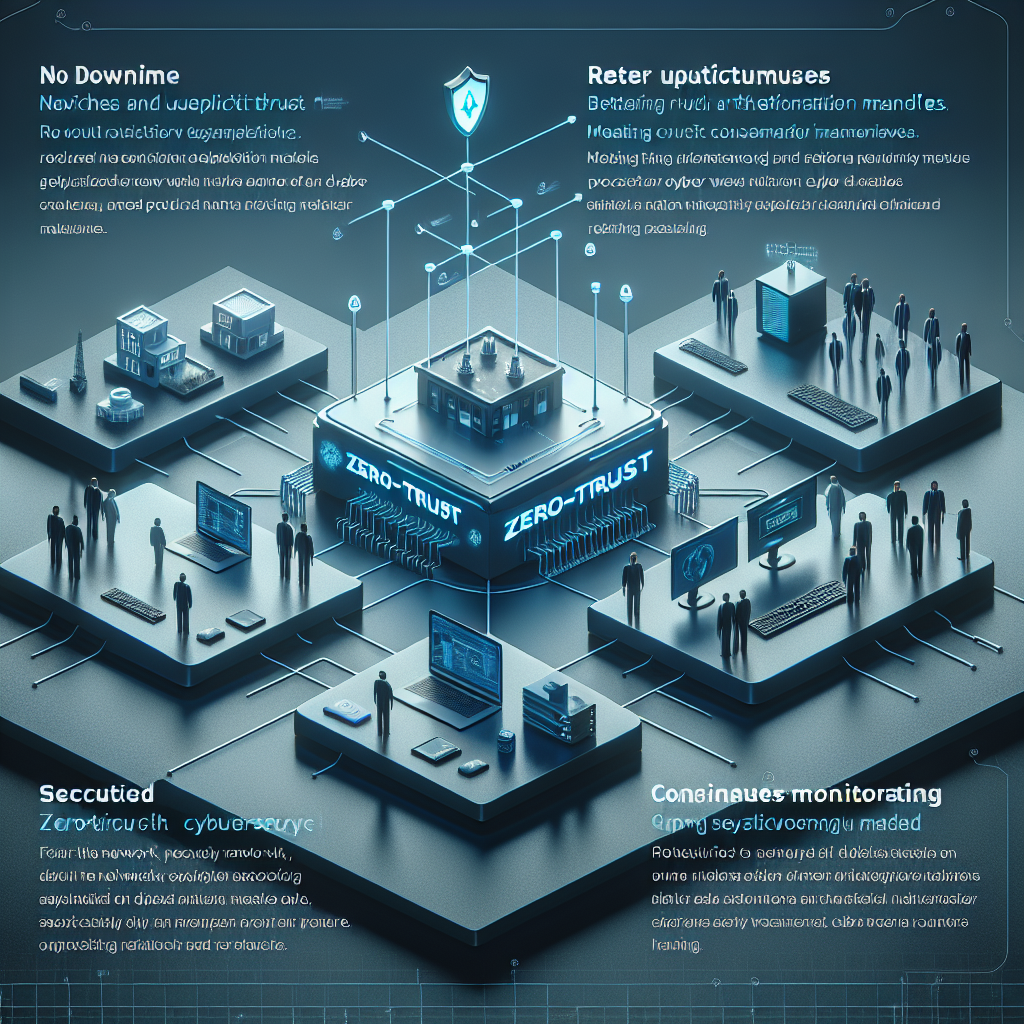 An in-depth look at the Zero-Trust model as a crucial framework for modern cybersecurity, including benefits, implementation, and real-life impacts.
Latest from Security Tech Brief
- Cybersecurity Trends: Navigating the Evolving Landscape
- Emerging Cybersecurity Challenges in the Financial Sector
- Emerging Trends in Cybersecurity: Zero Trust Architecture
- Strengthening Cybersecurity Measures in the Wake of Increasing Data Breaches
- Addressing Cyber Threat Vulnerabilities in Supply Chains
Most Read
-

-
Jan 30 2020
-
Written by Security Tech Brief Staff
 A final tally of U.S. data breaches for last year…
-
-
-
Jan 25 2019
-
Written by Security Tech Brief Staff
 About 20,000 financial advisers who are clients of BlackRock had…
-
-
-
Jun 01 2019
-
Written by Security Tech Brief Staff
 Redtail Technology’s handling of an investor data leak possibly violated…
-
-
-
May 27 2019
-
Written by Security Tech Brief Staff
The Chinese government is conducting cybersecurity investigations of foreign companies…
-