


In recent days, the cybersecurity landscape has been witnessing a handful of evolving threats and innovative protective measures. With businesses increasingly adopting digital platforms, the need for robust cybersecurity has never been more pronounced.
One of the most significant trends is the rise in ransomware attacks, which have become more sophisticated and targeted. Criminals are utilizing advanced techniques such as AI-driven malware and ransomware as a service (RaaS) to cripple businesses. Organizations must prioritize ransomware resiliency by frequently updating security measures and conducting regular data backups.
Another critical trend is the growing emphasis on Zero Trust Architecture. Unlike traditional security methods, Zero Trust operates on the principle that threats can originate both outside and inside the network. By assuming that every request can be a potential breach, companies are now implementing continuous verification processes across all network devices and access points.
Cloud security remains a focal point, especially with the surge in remote work environments. Data breaches in cloud platforms are a recent concern, leading firms to invest heavily in securing their cloud environments. Advanced encryption and identity access management are becoming indispensable elements of a solid security strategy.
In a real-life example aligning with these trends, the case of a leading fintech company comes to mind. They recently transformed their cybersecurity model, successfully warding off a series of cyber-attacks. By leveraging AI-focused threat intelligence and adopting a comprehensive Zero Trust model, they managed to secure not only their data but also maintain client trust.
The human factor in cybersecurity cannot be ignored either. Educating employees about potential threats and safe practices remains a top priority for many firms. Simulated phishing attacks, regular training sessions, and creating a culture of security awareness are crucial steps companies are taking.
As we continue to navigate these challenges, one thing is clear: staying ahead of cybersecurity threats demands both proactive strategies and reactive defenses. Companies must invest in the latest tools and technologies while also prioritizing the need to foster a culture of continuous security improvement.
Estimated reading time: 1 minute, 47 seconds
Emerging Trends in Cybersecurity: Navigating the Landscape of Threats and Protections Featured
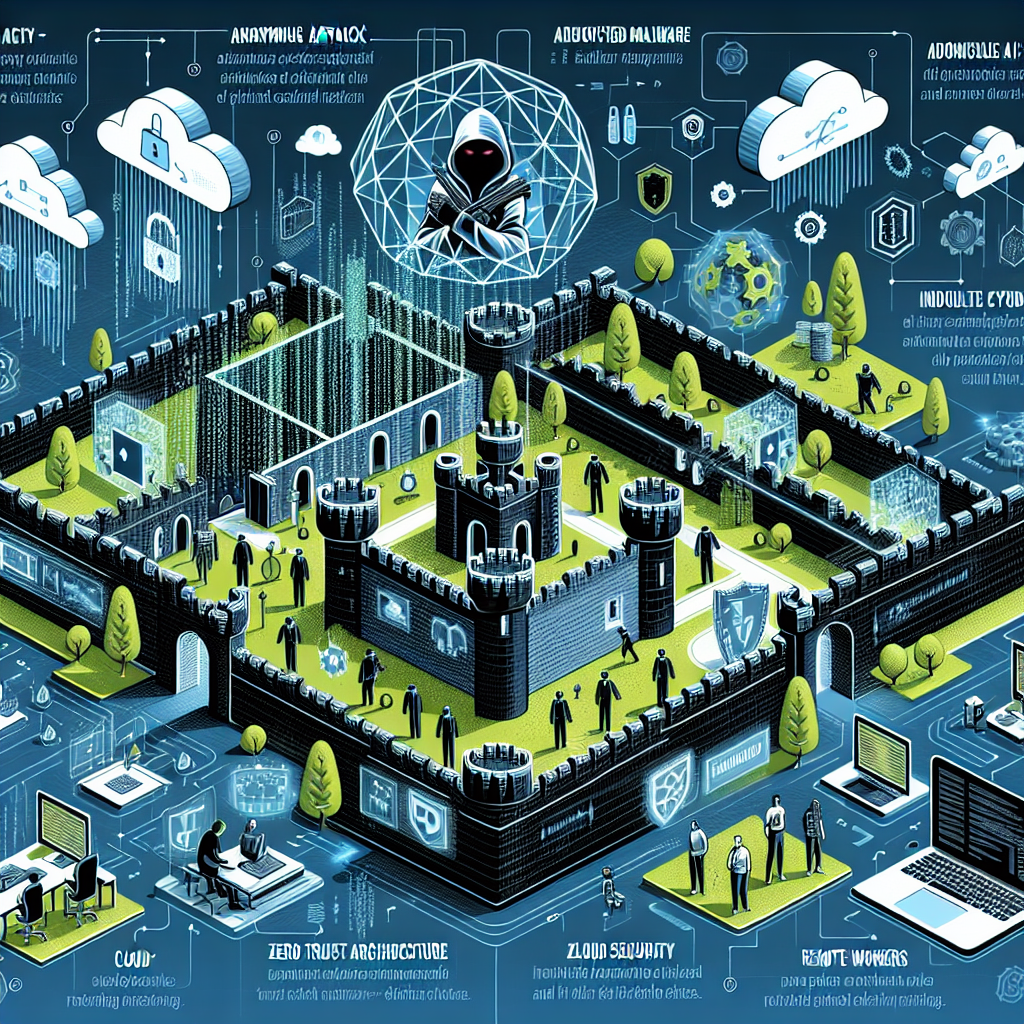 Discover the emerging trends in cybersecurity, including ransomware threats, Zero Trust Architecture, and cloud security developments. Uncover how businesses are adapting to protect their digital assets.
Latest from Security Tech Brief
- The Rising Tide of Cybersecurity Awareness in 2023
- The New Age of Cybersecurity: Emerging Trends in 2024
- Enhancing Data Security in the Age of Remote Work: A Key Priority
- Emerging Trends in Cybersecurity: Navigating the Rise of AI-Driven Threats
- Navigating the Complex World of Cybersecurity Post-Data Breaches
Most Read
-

-
Jan 30 2020
-
Written by Security Tech Brief Staff
 A final tally of U.S. data breaches for last year…
-
-
-
Jan 25 2019
-
Written by Security Tech Brief Staff
 About 20,000 financial advisers who are clients of BlackRock had…
-
-
-
May 27 2019
-
Written by Security Tech Brief Staff
 The Chinese government is conducting cybersecurity investigations of foreign companies…
-
-
-
Jun 01 2019
-
Written by Security Tech Brief Staff
Redtail Technology’s handling of an investor data leak possibly violated…
-