


In the ever-evolving landscape of cybersecurity, multi-factor authentication (MFA) has emerged as a critical element in securing digital assets. In recent days, experts have emphasized the significance of integrating MFA into cybersecurity frameworks, citing its ability to provide an additional layer of security beyond traditional password protocols.
MFA operates by requiring multiple forms of verification before granting access to sensitive data or systems. This typically includes something the user knows (a password), something the user has (a smartphone or security token), and something the user is (biometric verification). This triad significantly reduces the likelihood of unauthorized access, making it a highly effective security measure.
Recent statistics suggest a marked increase in the adoption of MFA across various industries. With data breaches becoming more sophisticated, businesses are prioritizing MFA to safeguard against potential threats. Companies leading the charge in this trend have reported a noticeable decline in security incidents and unauthorized access attempts.
One notable case is a financial firm that experienced repeated phishing attempts. By incorporating MFA, they successfully thwarted these attempts, ensuring a secure environment for their clients' data. This example underscores the necessity for businesses to consider MFA as part of their cybersecurity strategy.
In today's digital age, where cyber threats are pervasive, the importance of MFA cannot be overstated. As an expert in the field, understanding the nuances and applications of MFA can empower decision-makers to bolster their cybersecurity measures effectively.
As companies continue to digitize operations and embrace remote work structures, the need for strong, adaptable security measures grows. Multi-factor authentication represents a proactive step in safeguarding against breaches and ensuring the integrity of sensitive information.
Estimated reading time: 1 minute, 27 seconds
Decoding the Rise of Multi-Factor Authentication in Cybersecurity Featured
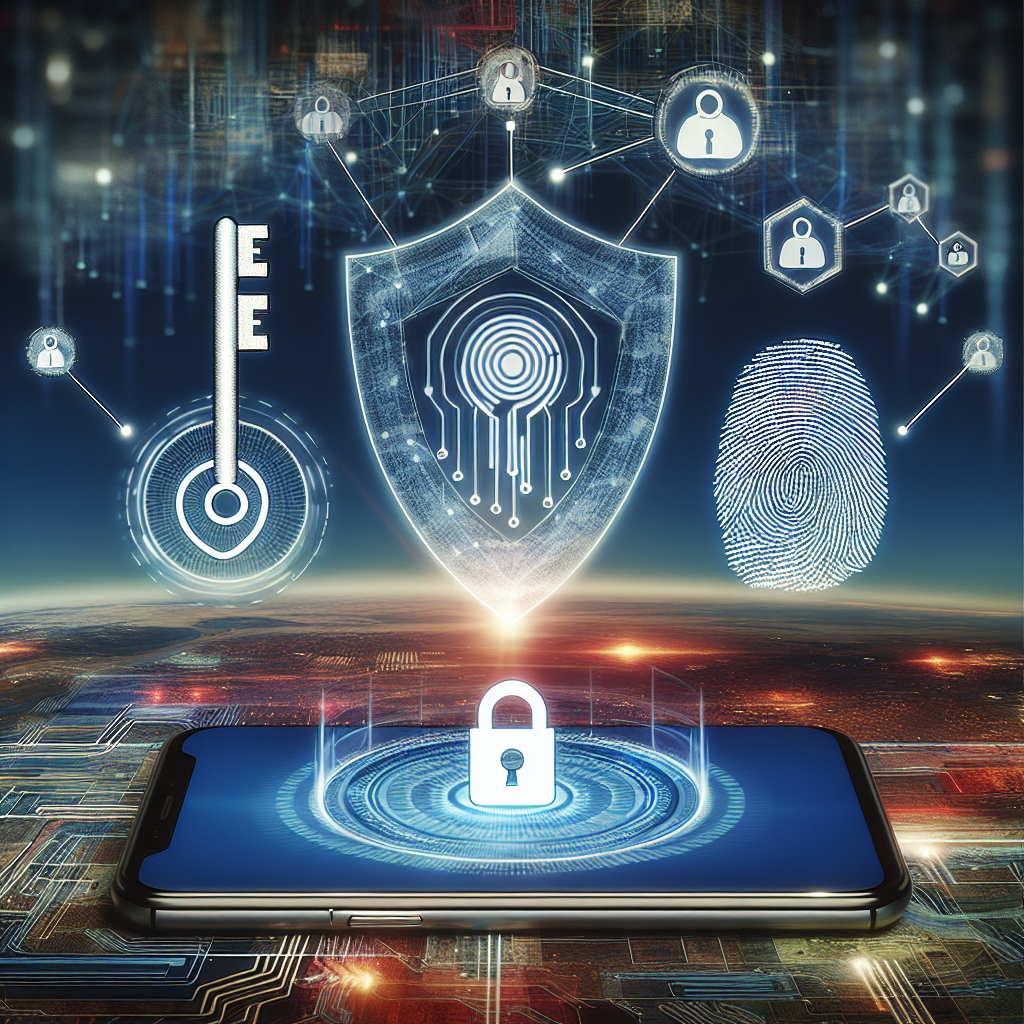 Discover why multi-factor authentication (MFA) is essential in modern cybersecurity strategies and how businesses are leveraging it to protect digital assets.
Latest from Security Tech Brief
- Strengthening Cybersecurity: The Rise of Zero Trust Architecture
- Cybersecurity Trends: Navigating the Evolving Landscape
- Emerging Cybersecurity Challenges in the Financial Sector
- Emerging Trends in Cybersecurity: Zero Trust Architecture
- Strengthening Cybersecurity Measures in the Wake of Increasing Data Breaches
Most Read
-

-
Jan 30 2020
-
Written by Security Tech Brief Staff
 A final tally of U.S. data breaches for last year…
-
-
-
Jan 25 2019
-
Written by Security Tech Brief Staff
 About 20,000 financial advisers who are clients of BlackRock had…
-
-
-
Jun 01 2019
-
Written by Security Tech Brief Staff
 Redtail Technology’s handling of an investor data leak possibly violated…
-
-
-
May 27 2019
-
Written by Security Tech Brief Staff
The Chinese government is conducting cybersecurity investigations of foreign companies…
-