


In today's rapidly evolving digital landscape, cybersecurity professionals face an increasing array of threats, with deepfake technology emerging as a particularly concerning challenge. This sophisticated technology utilizes artificial intelligence to create hyper-realistic audio and video forgeries that can deceive even keen observers. As businesses globally continue to digitalize, understanding and mitigating the risks associated with deepfakes is essential for maintaining robust cybersecurity practices.
The potential damage a deepfake can cause is significant. In the corporate sector, deepfakes pose a real threat to brand reputation and trust. For instance, a well-crafted deepfake could simulate a company executive making fraudulent statements, leading to stock manipulation and loss of consumer confidence. Notably, a few years back, a European energy firm's CEO's voice was convincingly impersonated by a deepfake, resulting in substantial financial loss. This scenario highlights the severe potential repercussions deepfakes can have in corporate settings.
As the quality of deepfakes continues to improve, identifying them becomes increasingly difficult. The integration of deep learning algorithms allows these forgeries to refine themselves through iterative processes, making detection by conventional security systems challenging. In response, companies are directing resources toward the development of advanced detection tools. Using machine learning and AI-based models, these tools can analyze patterns and inconsistencies in digital media, enhancing the ability to detect manipulated content.
In addition to technical defenses, fostering an organizational culture of awareness is crucial. Cybersecurity training programs focusing on emerging threats like deepfakes should be mandatory across all industry sectors. Employees need the skills to recognize potential red flags and understand the correct protocols to follow if they suspect they're encountering a deepfake. By embedding these practices into daily operations, businesses can protect themselves against the increasingly sophisticated tactics of cyber adversaries.
Furthermore, regulatory bodies are beginning to take notice and implement more stringent measures against the malicious use of deepfake technology. This trend indicates a positive shift towards accountability and standardized practices in response to these emerging threats. Companies can benefit from aligning their internal policies with these regulations, ensuring compliance and enhancing their overall approach to cybersecurity.
By staying informed about cutting-edge developments in tech and maintaining a proactive stance, businesses can better safeguard against the rising threats associated with deepfake technology. As the landscape of cybersecurity continually shifts, staying ahead of potential threats like deepfakes will be essential to maintaining secure and trustworthy operations.
Estimated reading time: 2 minutes, 3 seconds
Rising Threats in Cybersecurity: The Emergence of Deepfake Technology Featured
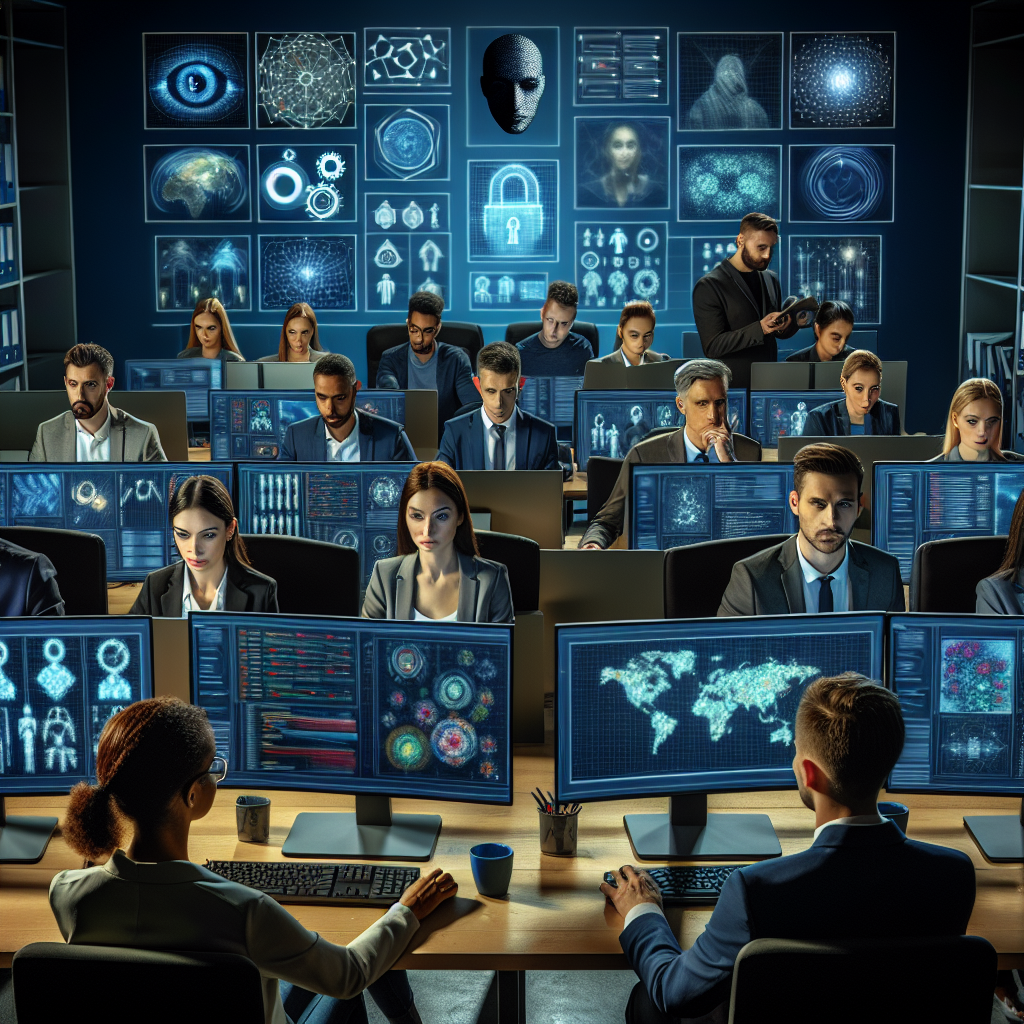 Explore how deepfake technology is emerging as a critical threat in cybersecurity and the strategies businesses must deploy to safeguard against its challenges.
Latest from Security Tech Brief
- Strengthening Cybersecurity: The Rise of Zero Trust Architecture
- Emerging Threats in Cybersecurity: The Rise of AI-Powered Attacks
- Rising Security Threats: The Need for Enhanced Cybersecurity Measures
- Current Cybersecurity Trends: Combatting Phishing Attacks in 2024
- Shifting Cybersecurity Paradigms: How Remote Work is Redefining Security Strategies
Most Read
-

-
Jan 30 2020
-
Written by Security Tech Brief Staff
 A final tally of U.S. data breaches for last year…
-
-
-
Jan 25 2019
-
Written by Security Tech Brief Staff
 About 20,000 financial advisers who are clients of BlackRock had…
-
-
-
Jun 01 2019
-
Written by Security Tech Brief Staff
 Redtail Technology’s handling of an investor data leak possibly violated…
-
-
-
May 27 2019
-
Written by Security Tech Brief Staff
The Chinese government is conducting cybersecurity investigations of foreign companies…
-