Cybersecurity landscapes are perpetually evolving, with multi-stage phishing attacks rapidly emerging as a significant threat to businesses globally.
Recent events have spotlighted these sophisticated cyber assaults which leverage multiple stages, exploiting varying levels of access gained from previous breaches.
These attacks begin with seemingly innocuous emails aiming at gaining initial access or information. The real danger unfolds as attackers harness the harvested data from this phase to craft more personalized and targeted phishing escapades.
One notable case involved a major U.S. financial institution that fell victim to a multi-stage phishing campaign. Initial access was obtained through duplicitous emails sent to a handful of employees.
Unknown to them, the attackers utilized this access to expand their infiltration, ultimately compromising sensitive financial records.
Understanding these incidents requires recognizing the intricate interplay of information dispensation across phases of these attacks. With each stage, attackers gather more refined data, increasing the likelihood of subsequent successful breaches.
Businesses must enhance their cybersecurity measures. Establishing robust email filtering systems, conducting regular employee training, and engaging in constant monitoring are pivotal.
Former employees from top firms, such as Deloitte, EY, and KPMG, underscore the necessity for companies to adopt proactive strategies to mitigate such risks.
Their advice aligns with technology trends advocating for adaptive cybersecurity frameworks able to detect and neutralize threats dynamically.
In sum, while multi-stage phishing attacks stand as a formidable threat, understanding their mechanisms and fortifying defenses can significantly reduce their impact.
Emerging Cyber Threat: Intricacies of Multi-Stage Phishing Attacks Featured
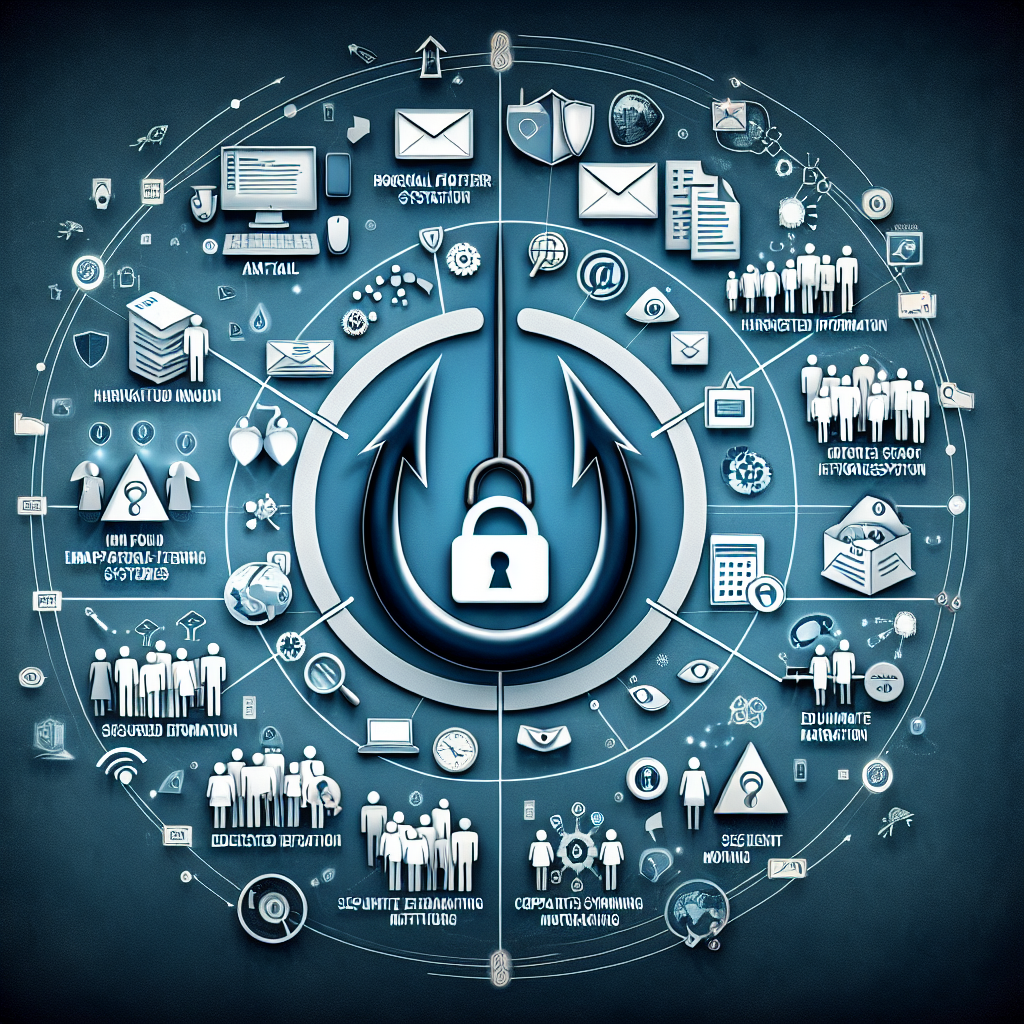 Emerging multi-stage phishing attacks pose formidable threats to businesses. Learn the intricacies and how to counter them effectively.

Latest from Security Tech Brief
- Cybersecurity Trends: Navigating the Evolving Landscape
- Emerging Cybersecurity Challenges in the Financial Sector
- Emerging Trends in Cybersecurity: Zero Trust Architecture
- Strengthening Cybersecurity Measures in the Wake of Increasing Data Breaches
- Addressing Cyber Threat Vulnerabilities in Supply Chains