In the demanding world of cybersecurity, the diversification of threats has pressed the industry to make technological leaps. In recent days, discussions have intensified on the integration of Artificial Intelligence (AI) into cybersecurity measures. This trend has been met with mixed reactions, given AI's capability as both a powerful defender and a potential adversary.
A significant development is the deployment of AI-enabled security systems that predict cyber-attacks before they happen. In many cases, these systems are analogous to a robust immune system for networks, quickly identifying anomalies and neutralizing them. The prowess of AI in processing enormous datasets within seconds facilitates real-time threat detection, setting a new standard in cyber defense.
However, with strength comes vulnerability. The same AI technologies utilized for protection can be exploited by cybercriminals. There have been reports where adversaries use sophisticated AI techniques to create more resilient malware and phishing strategies. This arms race between cybersecurity experts and malicious actors underscores the dual-edged nature of AI in this field.
A real-world case underlining AI's potential was observed in a leading financial firm’s adoption of a predictive AI tool. Not only did it cut down the response time to threats by 70%, but it also reduced false alerts, thereby enhancing the efficiency of their security operations center. This success story has emboldened other organizations from diverse sectors to consider similar AI defenses.
In light of these developments, cybersecurity companies are doubling down on AI research and development. By focusing on enhancing AI's capabilities to distinguish between typical and atypical activities, firms aim to further minimize potential risks associated with machine learning biases.
Despite these promising strides, experts caution the need for regulatory oversight to ensure responsible AI deployment. Many industry leaders are advocating for regulations that encompass AI systems' ethical and safe use across global cybersecurity practices, ensuring AI remains an asset rather than a vulnerability.
As cybersecurity continues to grapple with the AI conundrum, ongoing dialogue and research will be vital in crafting best practices for the future. Organizations should keep abreast of AI advancements and integrate adaptive and prepared strategies to foster a more secure digital environment.
The Ascendancy of AI in Cybersecurity: A Dual-Edged Sword Featured
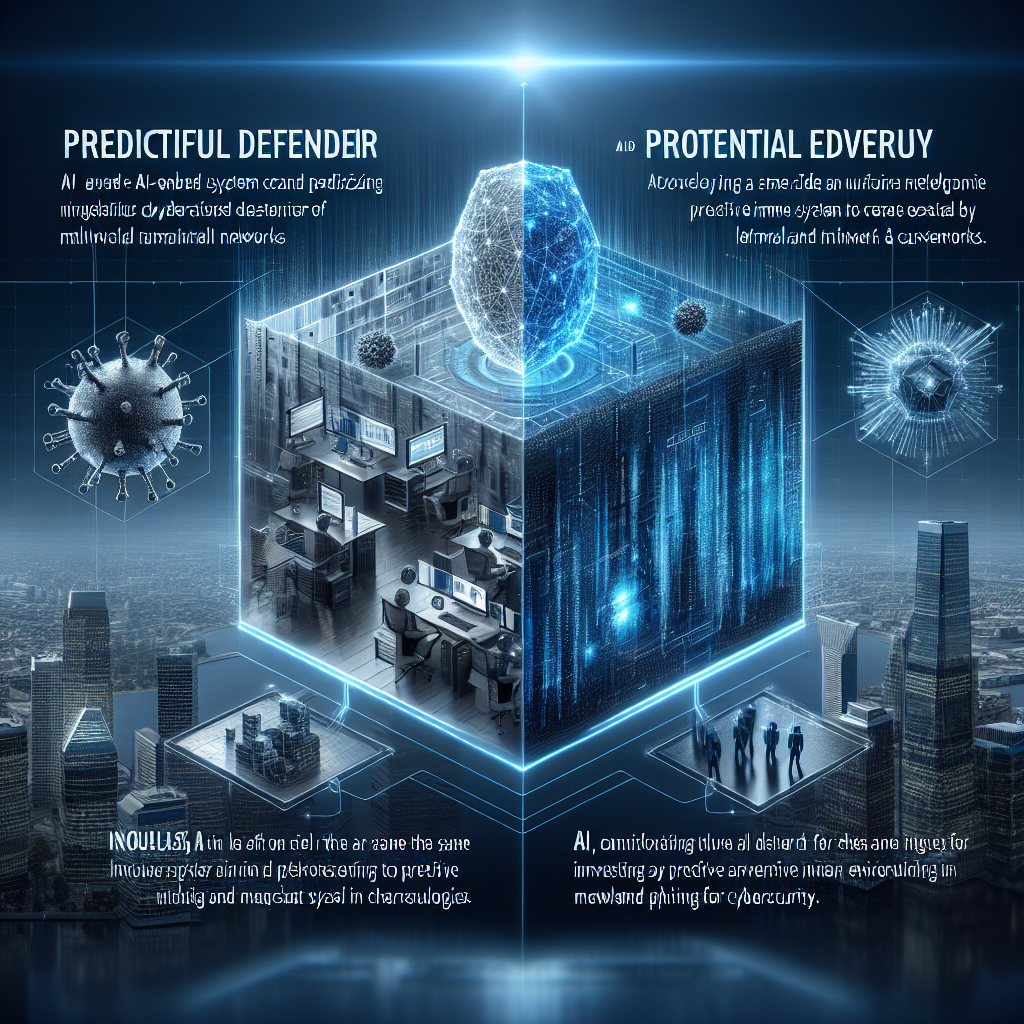 Exploring the role of AI in cybersecurity, this article sheds light on AI's dual role as a powerful defender and potential adversary, highlighting real-world examples of success and challenges.
