Multi-Factor Authentication (MFA) has emerged as a pivotal element in the realm of cybersecurity, especially given the current landscape where data breaches are becoming increasingly sophisticated. This technology promises enhanced security for personal and professional digital realms by requiring multiple forms of evidence before granting access to systems or data.
Recent reports suggest that the adoption of MFA has surged in various sectors due to its capability to thwart unauthorized access, even when passwords are compromised. This growth aligns with the increasing awareness of cybersecurity risks among organizations that handle sensitive data, such as financial services and healthcare.
MFA operates by combining two or more independent credentials: something the user knows (password), something the user has (a security token), and something the user is (biometric verification). Such layers provide robust protection against common threats like phishing and stolen credentials.
A case in point is the adoption of MFA by a leading financial institution which faced multiple phishing attacks. After implementing an MFA solution, not only did they witness a significant reduction in unauthorized access attempts, but they also observed increased trust from their clients, who valued the enhanced security measures.
Furthermore, as businesses accelerate digital transformation initiatives, incorporating MFA into their security protocols is no longer an option but a necessity. Encouraging insights illustrate how firms that have embraced MFA technologies report fewer instances of breaches, translating into cost savings associated with data breach incidents.
While the benefits of MFA are numerous, experts caution the need for carefully devised implementation strategies to ensure user convenience does not take a backseat. There are also discussions around the integration of MFA with emerging technologies such as AI, which could revolutionize the efficacy of these systems.
Ultimately, as cyber threats continue to evolve, the momentum surrounding MFA is expected to continue its upward trajectory. For companies and individuals striving to stay ahead in the cybersecurity game, MFA offers a tangible means of fortifying their digital defenses.
The Rise of Multi-Factor Authentication in Strengthening Cybersecurity Featured
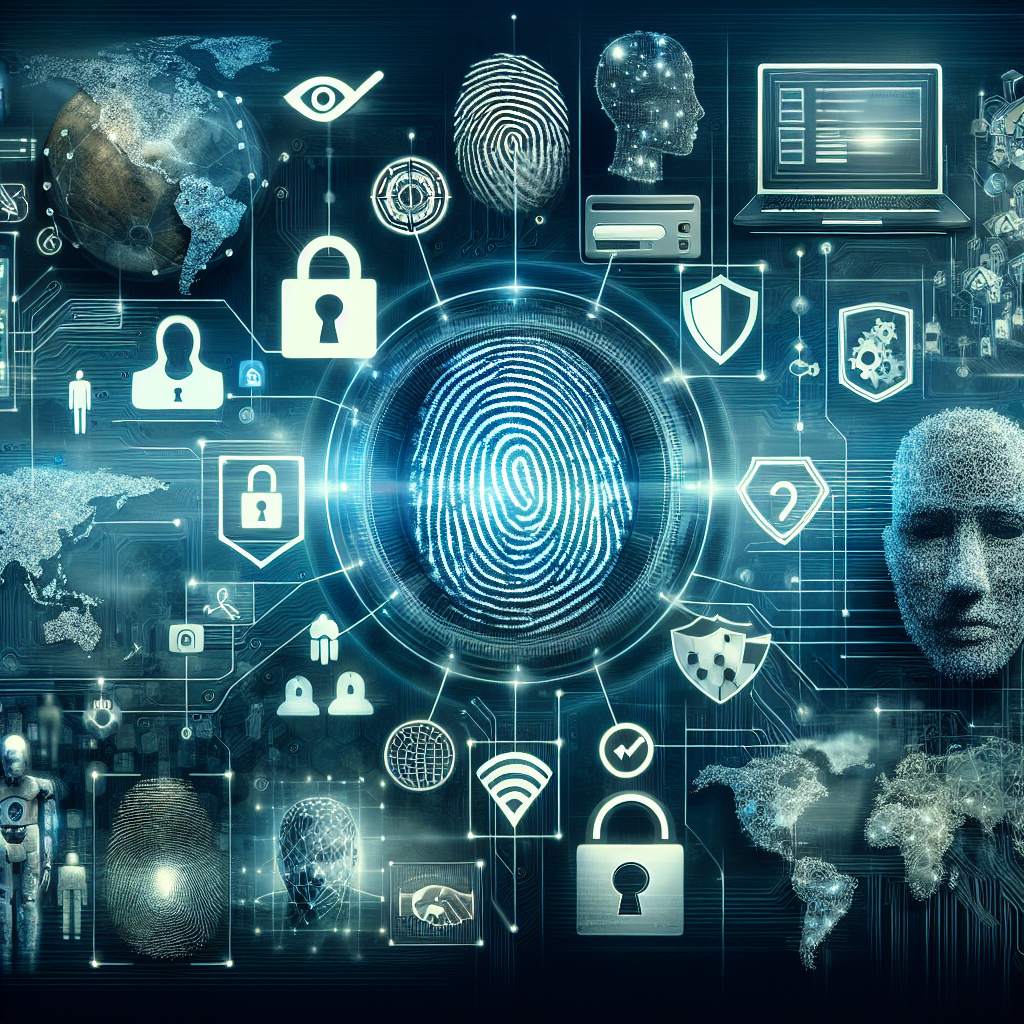 Explore the vital role of Multi-Factor Authentication (MFA) in enhancing cybersecurity, its rising adoption, and how it fortifies defenses against evolving cyber threats.

Latest from Security Tech Brief
- Strengthening Cybersecurity: The Rise of Zero Trust Architecture
- Cybersecurity Trends: Navigating the Evolving Landscape
- Emerging Cybersecurity Challenges in the Financial Sector
- Emerging Trends in Cybersecurity: Zero Trust Architecture
- Strengthening Cybersecurity Measures in the Wake of Increasing Data Breaches